Your shopping bag is empty

Why People Visit an Indian Boutique in Chicago
- Posted by: media feathers
- Comments: 0
- Categories: Latest
- Tags:
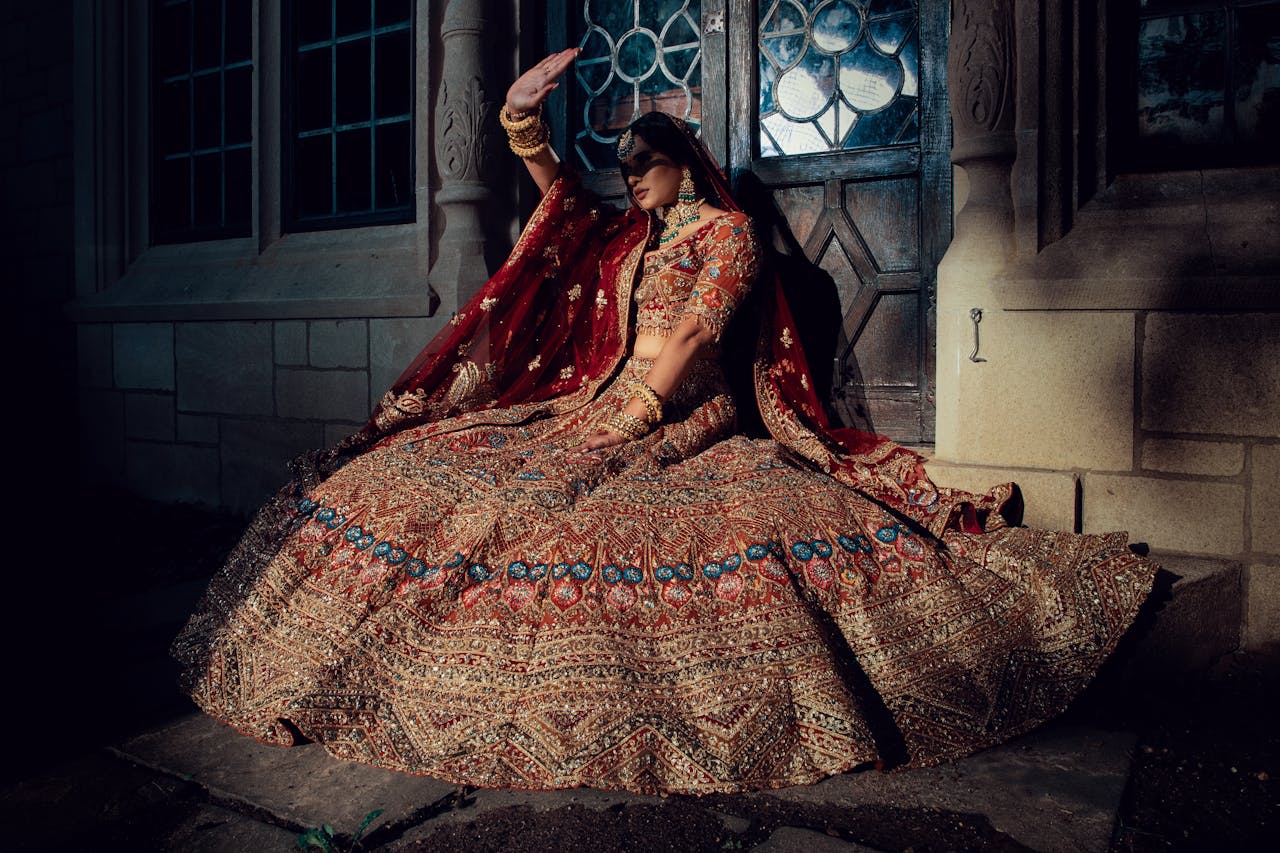
Chicago is the home of one of the biggest and most lively South Asian communities in the United States. For long periods of time, when families from Illinois and across the Midwest have to plan for an important life occasion, they don't go to the standard American shopping centers. Instead, they head directly to local specialized South Asian garment districts.
It could be a wedding or a major religious holiday such as Diwali or Eid or even the formal family celebration visiting an actual South Asian clothing shop offers an experience that is unique and cannot be replicated on the internet. Here's a comprehensive and detailed explanation of the reasons why people go to the Indian dresses in Chicago.
1. The Power of Physical Fabric and Color Inspection
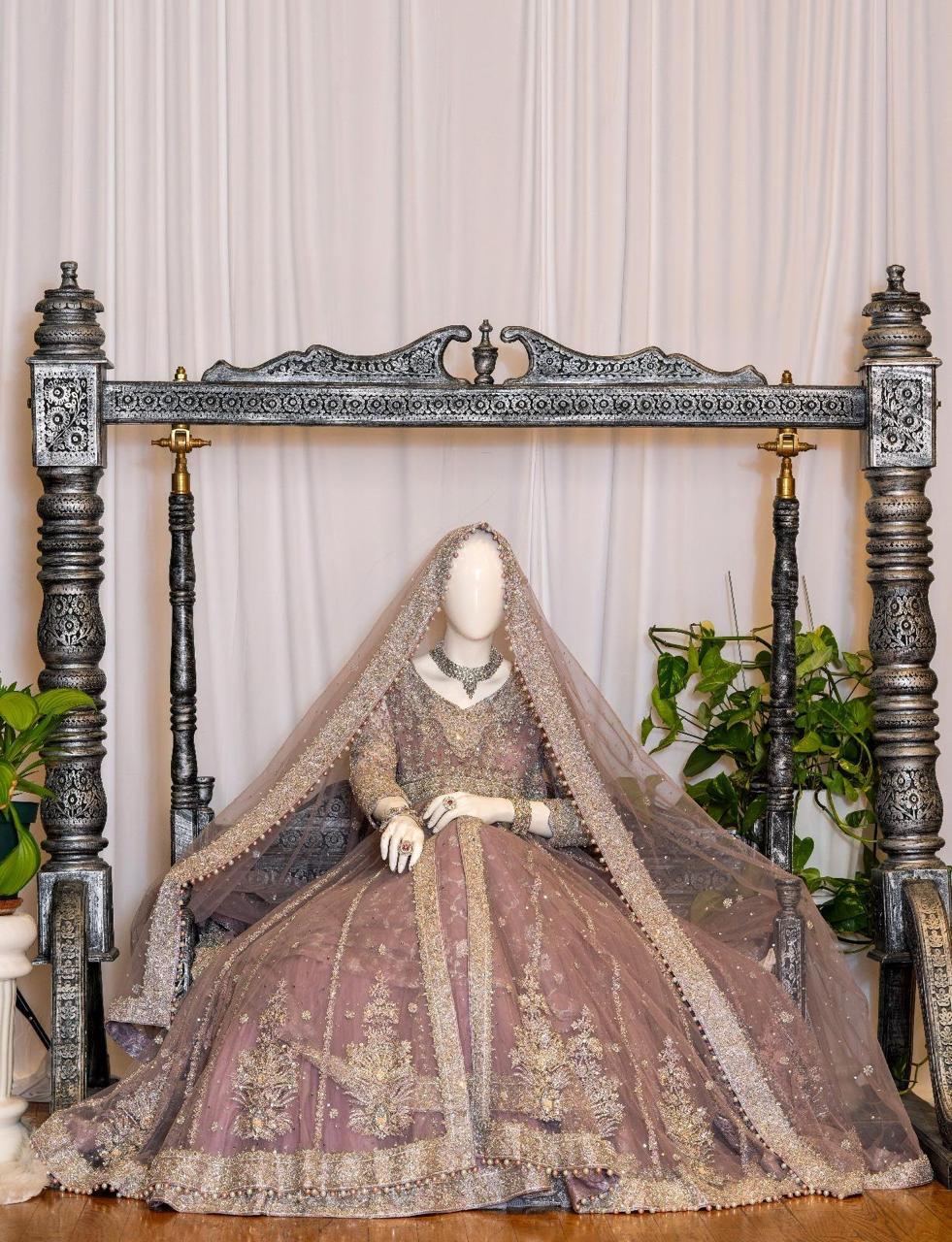
The main reason for people to go to a local store on their own is to check their quality fabrics. Traditions of South Asian clothing items--such as large bridesmaid lehengas, silk-sarees and intricately woven anarkali suits rely heavily on luxurious fabrics that need to be felt to appreciate.
Shopping websites on the internet often employ massive digital filters, bright studio lighting as well as photoshop, to create low-cost fabrics that appear stunning on the computer screen. When the product finally gets to the doorstep of your Chicago residence, you may notice that the material could feel rough or thin. It could also feel stiff. When you enter an actual shop on a street such as Devon Avenue, customers can feel the genuine raw silk, high-end velvet and authentic georgette. It is possible to see the exact hue of the dye in normal lighting, and feel the weight of the intricately crafted embroidery before you spend your hard-earned dollars.
2. Professional Tailoring and Custom Measurements
South Asian formal wear is very structured and needs to suit your body perfectly to appear elegant. A loosely-fitting lehenga blouse or poorly fitting sherwani jacket will immediately ruin your formal look.
-
In-House Master In-House Masters: Local Chicago boutiques employ skilled in-house tailors (often known as masters) who know the distinctive design that is characteristic of South Asian patterns.
-
Custom-made Margins: If you shop at local boutiques, they will take exact body measurements, and then alter the clothes to fit the shape you prefer.
-
Hidden Fabrics: These make sure that the fabric's hidden edges are left in the clothing seams, allowing you easily tighten or expand the garment in the future, if your body weight fluctuates.
This level of personalization is difficult to attain when purchasing standard sizes from foreign websites and can result in costly errors in local modification in the future.
3. Escaping International Shipping Hazards and Customs Delays
Making a purchase of a designer's bridal gown directly from the designers who are located in Mumbai, Delhi, or Lahore could turn into an extremely stressful waiting game. International supply chains are utterly unpredictable and wedding packages often end up in customs inspection facilities in Chicago's O'Hare International Airport for weeks at one time.
For a stressed bride or groom who has a strict wedding date delays in shipping could cause a huge anxiety. A visit to a local boutique can eliminate the stress of logistics completely. You can stroll to the store, peruse hundreds of pre-made styles in the display cases, test the clothes at the fitting room and return your clothes on the same day. If you need custom-made modifications or alterations, you can work directly with the local business owner who lives down the street, rather than chasing an international shipment.
4. The Cultural Experience and Expert Style Guidance
The process of shopping for a family celebration is a highly emotional and joyful occasion within South Asian culture. It's rarely a solo job; families usually shop together, and bring along mothers or grandmothers, sisters and even friends to help select the ideal outfit.
Indian boutiques near me have been specifically created to accommodate this friendly, unified shopping culture. The owners of the shops and style experts don't just give you clothes; they treat you as family members. They will sit down with you, provide you hot tea or traditional chai and guide you on the latest trends in fashion all over South Asia. They aid youngsters, the first generation of South Asian Americans navigate complex dress codes, help them choose the right attire for an Mehndi evening versus the Baraat ceremony, and preserve traditional cultural practices beautifully.
5. Instant Access to Matching Accessories and Jewelry
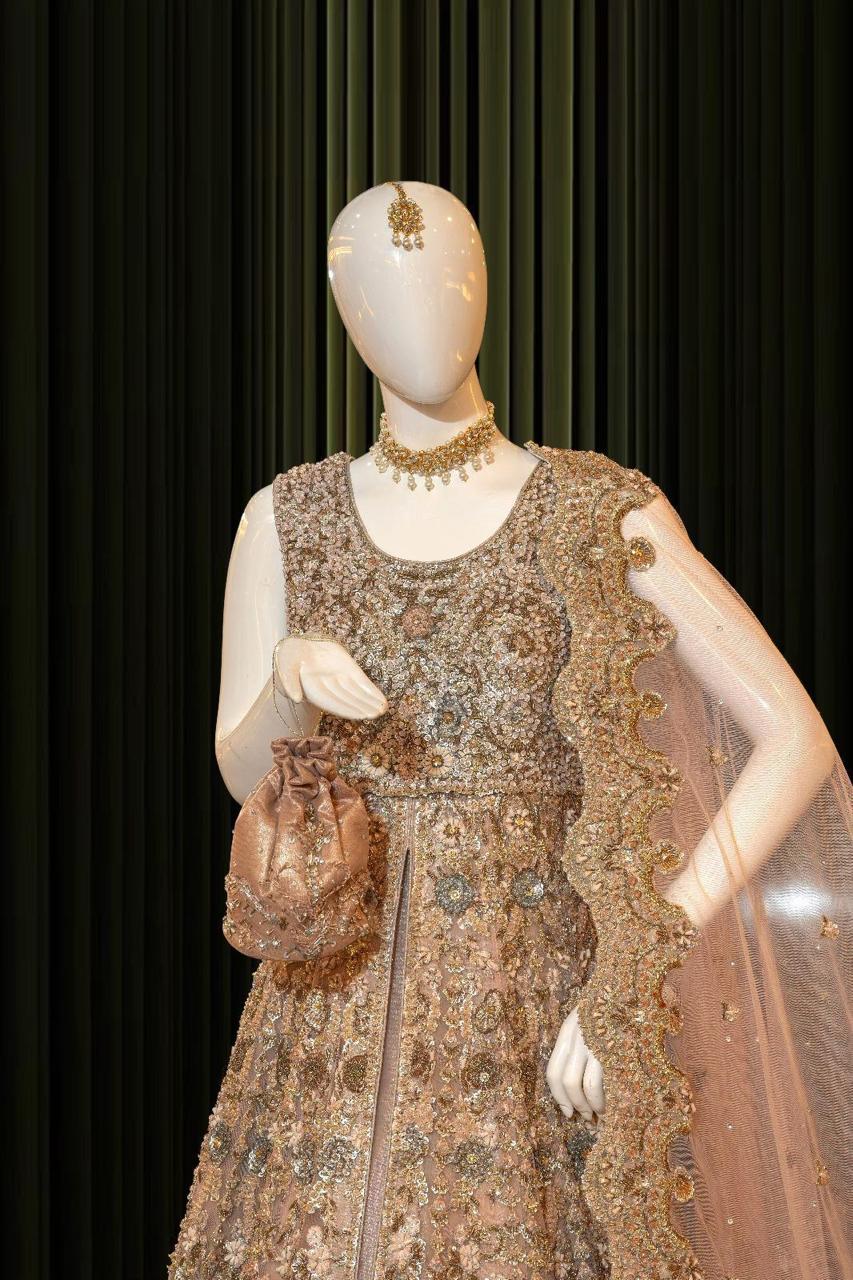
Traditional South Asian formal look is not complete without the essential clothing items. To appear polished the outfit you wear is required to be paired with traditional accessories like the appropriate dupattas (heavy scarfs) as well as intricate bangles necklaces of royal quality and traditional shoes like Khussas or juttis.
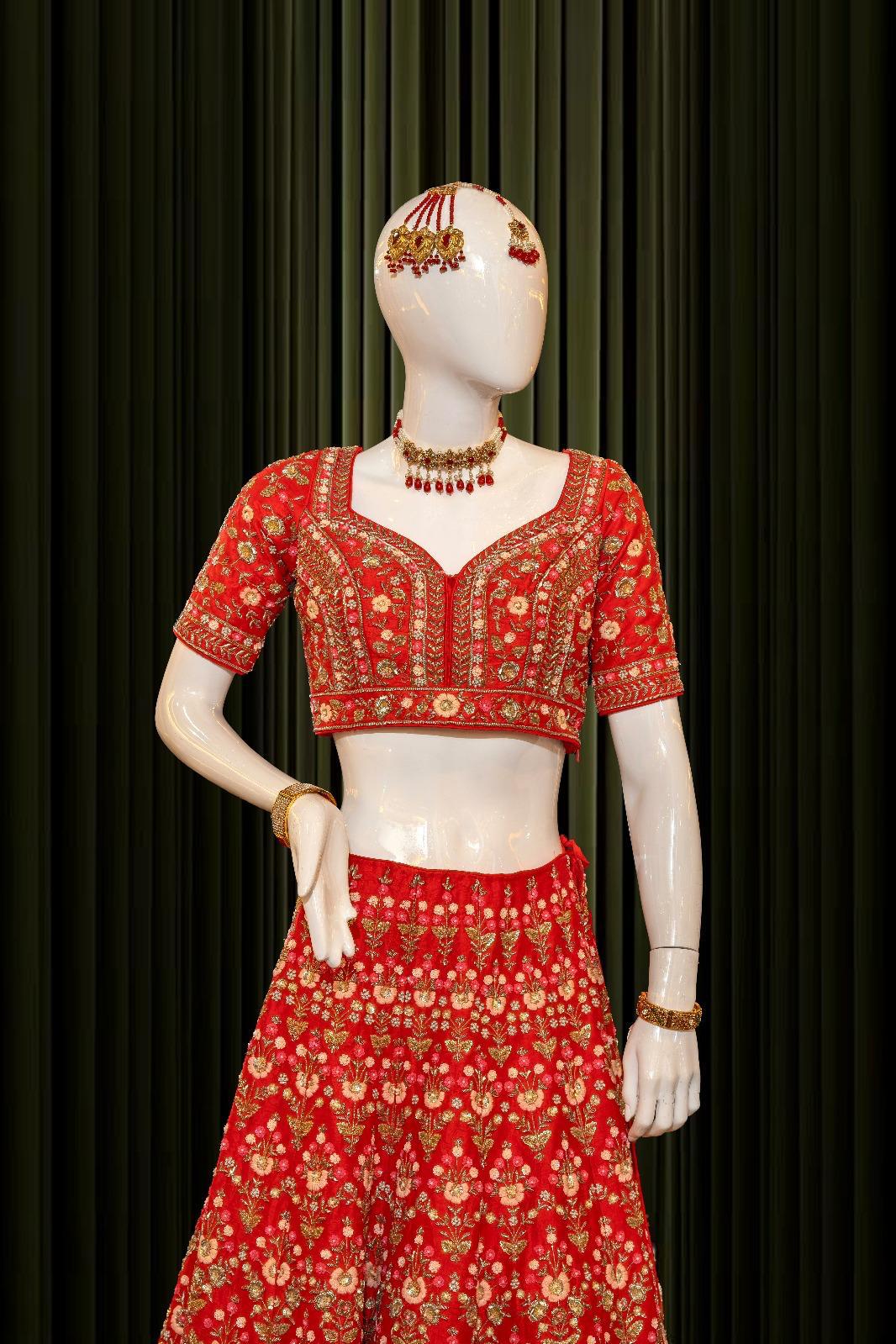
Finding the exact color match for a red ruby bridal lehenga or even coordinating pieces like a Kurta Shalwar in Chicago using jewelry from several websites can be a difficult task. Local Chicago boutiques address this issue by serving as an all-inclusive, one-stop shopping center. They devote entire sections of their stores to accessories that perfectly match each outfit. Customers can place their customized outfits right next to jewelry displays, ensuring that every bead, stone, and thread color is flawlessly coordinated—all under one roof.
Conclusion
A visit to an Indian store in Chicago is more than a mere purchase. It's a necessity that ensures high-quality structural quality and eliminates the stress of delays in international shipping and offers professional fitting. When you visit these local neighbourhood stores, families will be able to take advantage of a stunning and connected experience in the world of culture as well as receive trusted advice on style and locate every accessory needed to enter their next big party and look confident, beautiful and stunning.
YOU MIGHT ALSO LIKE
Contemporary Mens Groom Wear Trends for Chicago Weddings
- Aug 19, 2026
- 0
Are you in search of the perfect groomsman attire that blends traditional heritage with conte...
What Makes Custom Pakistani Couture Stand Out for Big Events
- Aug 13, 2026
- 0
Are you in search of an outfit that is distinctive and creates an impression at your next imp...

Velvet Orchid vs Threadwork Silk for Evening Formal Wear
- Aug 06, 2026
- 0
Are you having trouble deciding on the ideal high-end fabric for a special occasion? The choi...