Your shopping bag is empty

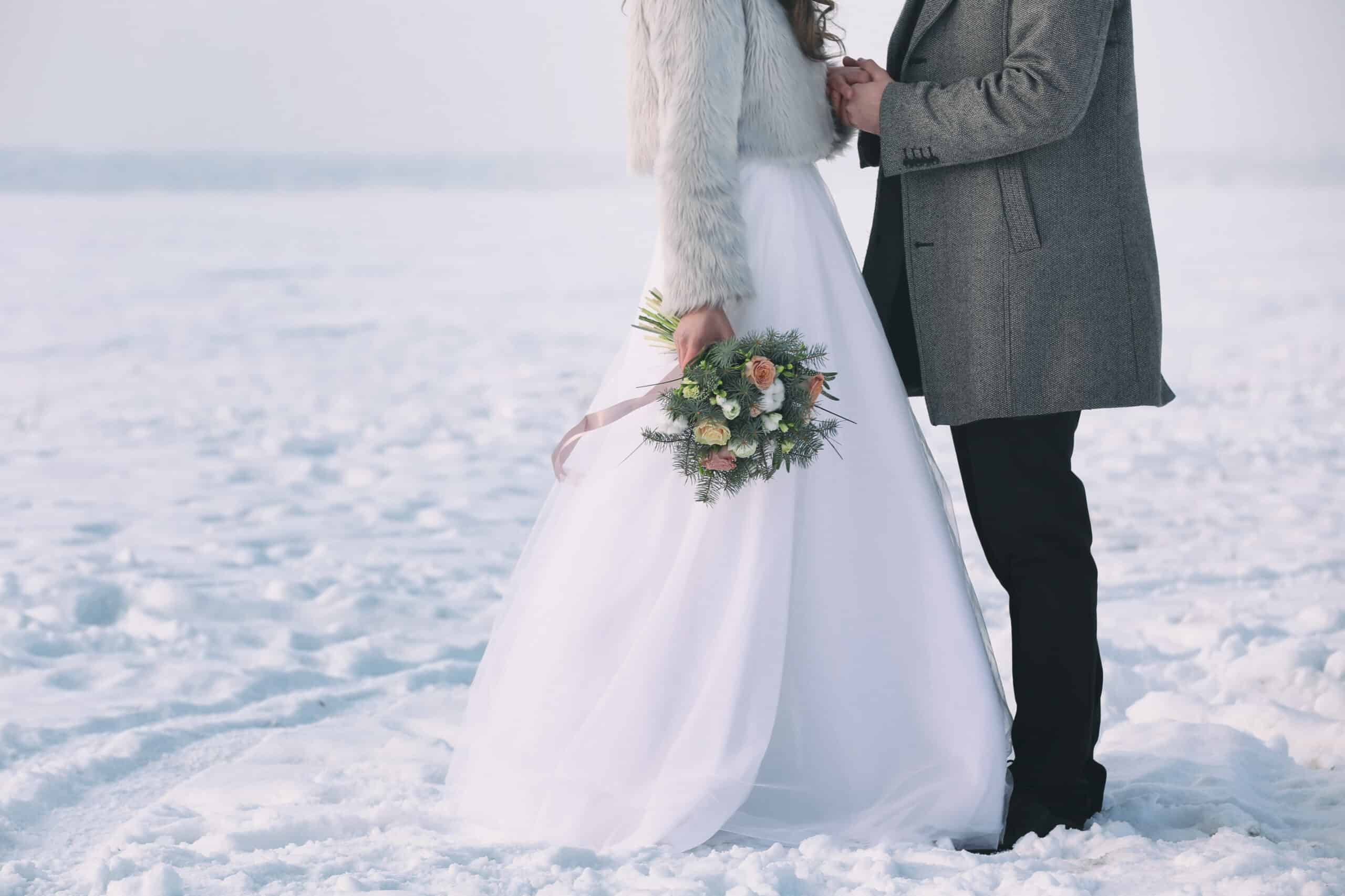
How to Layer Your Sherwani for a Cold Winter Wedding in Chicago
- Posted by: media feathers
- Comments: 0
- Categories: Latest
- Tags:
A winter wedding ceremony in Chicago is an exceptional challenge. Chicago is known for its frigid winds and heavy snowfall which makes dressing in traditional attire like Sherwani difficult. It is true that a Sherwani is a gorgeous dress, elegant, but it's usually composed of silk or thin brocades that do not endure temperatures below zero. To keep warm and not lose your style, learn the skill of layering.
Dressing up for a formal occasion is a different thing from normal attire for winter. It is not enough to throw on an oversize gym jacket on top of a handmade Sherwani. It is essential to have a strategy that will keep the cold at bay while keeping your classic look. This is the most effective method to dress your Sherwani for the frigid Chicago winter.
Begin With High-Quality Thermal Wear
The most crucial layer is one that no one can see. In a city as cold as Chicago it is not wise to depend upon the Sherwani fabric on its own. Start with a good set of thermals. Find "ultra-warm" or "heat-tech" models that are slim but extremely effective in capturing body heat.
Select a thermal top that has a deep neckline so it doesn't show through the collar when wearing Indian dresses in Chicago, such as a sherwani. For the bottoms, slim thermal leggings are a must. Because sherwanis are often paired with fitted pajamas or churidars, your thermals should be skin-tight to prevent a bulky appearance. This layer of clothing is your primary protection against the cold “Windy City” chill.
Layer Your Sherwani
Choose a Heavier Fabric Base
If you're having a Sherwani designed for your winter wedding, the fabric you choose is an additional layer of safety. Instead of delicate raw silk, opt for more substantial fabric. Velvet is a fantastic option to endure Chicago winters. It's thick, naturally warm, and looks stunning for wedding pictures.
Banarasi heavy or wool-blend brocade are great choices. These fabrics are naturally weight that is well-hung and blocks wind better than lighter fabrics. A heavy fabric will require fewer layers that helps keep an attractive and slim silhouette.
The Inner Waistcoat Trick
A lot of men don't realize they can layer an extra piece of clothing between the shirt they wear and the sherwani. A thin wool waist coat with no sleeves, as well as a vest with a quilted design, can be layered under the sherwani. This can add a substantial amount of warmth to the chest area and the core.
In order to make this happen to work, the outer vest has to be thin enough so that it doesn't alter the size to your Sherwani. In the event that your Sherwani is made to order it is possible to request that your tailor add the lining of fleece or flannel in the inside of your garment. The "built-in" layer is a special tool for winter weddings. It provides warmth, without visible pieces.
The Power of the Formal Shawl
Shawls are the most elegant and traditional method of layering an Sherwani. If you are planning to wear the Chicago winter, consider an authentic Pashmina or a thick wool shawl. A silk stole that is thin will appear good, but isn't going to keep you warm as the temperatures drop.
There are a variety of methods to wear a shawl so as to increase warmth. Wrap it around your shoulders in the cape and drape it on your shoulder, then wrap it around your arm. A hefty shawl with contrast color, such as a dark maroon shawl layered over a cream Sherwani -- adds a touch of class to your style. It's also simple to remove once you've moved from the cold outdoors to a warm indoor gathering.
Selecting the Right Overcoat
When you travel between the hotel as well as the ceremony and the reception, you'll require a suitable outer layer. A typical puffer jacket can make a mess of the appearance of the Sherwani. Instead, pick a long wool overcoat or trench coat.
The length of the overcoat must be enough to cover the majority part of Sherwani. Dark shades like charcoal grey or black or camel are the best choices since they are elegant and go with almost every Sherwani shade. Once you have arrived on the day of your event, you are able to simply take your jacket to the bathroom. This will ensure you are warm throughout your journey without compromising your classic look at the time of the occasion.
Do Not Forget Your Feet
A cold foot can leave the entire body appear frozen. Many people choose conventional "Khussa" or "Jutti" shoes that have the addition of a Sherwani. They are typically constructed of leather that is thin and does not offer protection from the elements like snow and ice.
In Chicago it is an ideal idea to wear warm socks for dress shoes. There are socks that are light but composed of wool and wool blends. If the wedding is going to involve trekking through snow, you should consider wearing dress shoes made of leather for outdoor portions of the ceremony and then changing to traditional shoes when you have arrived at the location. Being sure your feet are dry is essential to stay at ease throughout the evening.
Focus on the Neck and Hands
The heat is often escaping from the neck area and wrists. Since the majority of Sherwanis wear the "Mandarin" or "Ban" collar the neck is protected. However, silk scarves can offer additional warmth. A tiny silk scarf that is tucked into the collar appears elegant and keeps the wind out.
For your hands Leather gloves are a great option. They are elegant and offer great wind protection. They can be removed immediately when you step into the wedding venue. These little details are a major difference when you're outside taking group photos as you wait for "Baraat" to arrive.
Managing the Transition
A Chicago wedding typically is one that moves from extremely cold outside air to warm indoor temperatures. This is the reason layering is more effective than wearing just one heavy garment. Utilizing the thermals of a scarf as well as an undercoat it is possible to effortlessly adjust the temperature.
If you're inside, you are able to take off the shawl and coat while styling a classic kurta shalwar or even a sherwani. The thermals hidden beneath the thick fabric keep you comfortable in a crowd of people without making you sweat. This flexibility lets you enjoy the festivities without feeling restricted by your clothing.
Final Thoughts
Dressing for a winter wedding in Chicago requires some more planning, but that doesn't mean you need to give up your tradition. If you start with a strong set of thermals and then add heavier fabrics such as velvet, you can create the perfect warm and cozy foundation. Utilizing traditional pieces such as wool shawls as well as modern pieces such as long coats allow you to tackle the winter cold without fear.
YOU MIGHT ALSO LIKE
What Trends to See at Chicago Indian Clothing Stores
- Jul 18, 2026
- 0
If you go to a South Asian clothing store in the Chicago area there is an enormous transforma...
Why People Visit an Indian Boutique in Chicago
- Jul 16, 2026
- 0
Chicago is the home of one of the biggest and most lively South Asian communities in the Unit...
Why Fabric Matters for a Pakistan Mens Sherwani in Chicago
- Jul 10, 2026
- 0
Making preparations for an authentic Pakistani wedding is a stunning and exciting experience....