Your shopping bag is empty

How Sustainable Fabrics Are Changing Ethnic Wear in 2026
- Posted by: media feathers
- Comments: 0
- Categories: Latest
- Tags:
The fashion of ethnic wear is evolving slowly, but it is growing steadily in the context of sustainability, becoming a major focus rather than just an advertising slogan. In 2026, fabric choices will shape how traditional clothing is designed, produced, and worn. This shift is also influencing shoppers searching for an Indian boutique near me, as they increasingly prioritize quality, sustainability, and authenticity in their purchases.
The buyers of today aren't just concerned about style but also the impact, quality and durability. The trend is apparent across the world, from designer collections to buyers looking for pakistani clothes in Chicago or a reputable Pakistani boutique in my area.
In this article, we're going to explore why sustainable fabrics are important for ethnic wear, as well as how designers are changing traditional designs and how conscious buying has influenced local ethnic shops, to help you gain a better knowledge of the topic.
Why Sustainable Fabrics Matter in Ethnic Fashion
Sustainable fabrics are designed to reduce environmental impact while also ensuring comfort and durability. In ethnic clothing, fabric is an essential element since outfits are often worn for extended hours during festivals, weddings, and other cultural occasions. Even a traditional Waist Coat now reflects this shift, with cotton, silk, and wool being reconsidered
In 2026, consumers are speculating about where the fabric is made, where it comes from, how it's dyed, as well as how long the fabric will last. This new awareness is changing traditional fashion into something that is more thoughtful and deliberate than being driven by trends.
Natural Fabrics Leading the Change
Organic Cotton and Handwoven Textiles
Organic cotton has been an increasingly popular choice for casual ethnic clothing. It is breathable, skin-friendly and appropriate in warmer weather. Handwoven cottons help the local artisans and keep the traditional weaving methods. They are now used in dupattas, kurtas and casual outfits in stores that sell Indian clothes in Chicago.
Handloom fabrics add a unique character to traditional clothing. Minor variations in weave or texture are no longer viewed as flaws, but instead as signs of authenticity. This recognition has led to new respect for craftsmanship in the fashion of ethnicity.
Linen, Hemp, and Bamboo Blends
Hemp and linen are growing in recognition due to their strength and minimal environmental impact. They are ideal for contemporary ethnic styles that emphasize design and comfort. Bamboo blends, which are known for their comfort and moisture control, are becoming more popular in summer fashions.
These fabrics are particularly popular for pret-wear in Chicago, where customers are looking for trendy clothing suitable for daytime fashion without sacrificing sustainability.
Sustainable Dyeing and Finishing Techniques
Sustainability of fabric extends beyond fibers. The finishing and dyeing processes have a dramatic impact on the environment. By 2026, fashion designers will be returning to traditional dyeing techniques using natural pigments as well as low-water methods.
Vegetable dyes, as well as mineral-based colors, create soft shades that fade gracefully. These shades are well-suited to ethnic style, and offer the illusion of depth and softness without being harsh. Sustainable dyeing can also help reduce skin irritation, which makes garments more comfortable to wear for long periods.
Designers are now focusing on finishing which increase longevity of fabric instead of merely temporary shine. This is a way to encourage consumers to purchase fewer and higher-quality items.
Redesigning Traditional Silhouettes to Serve a Purpose
Lehengas and Occasion Wear
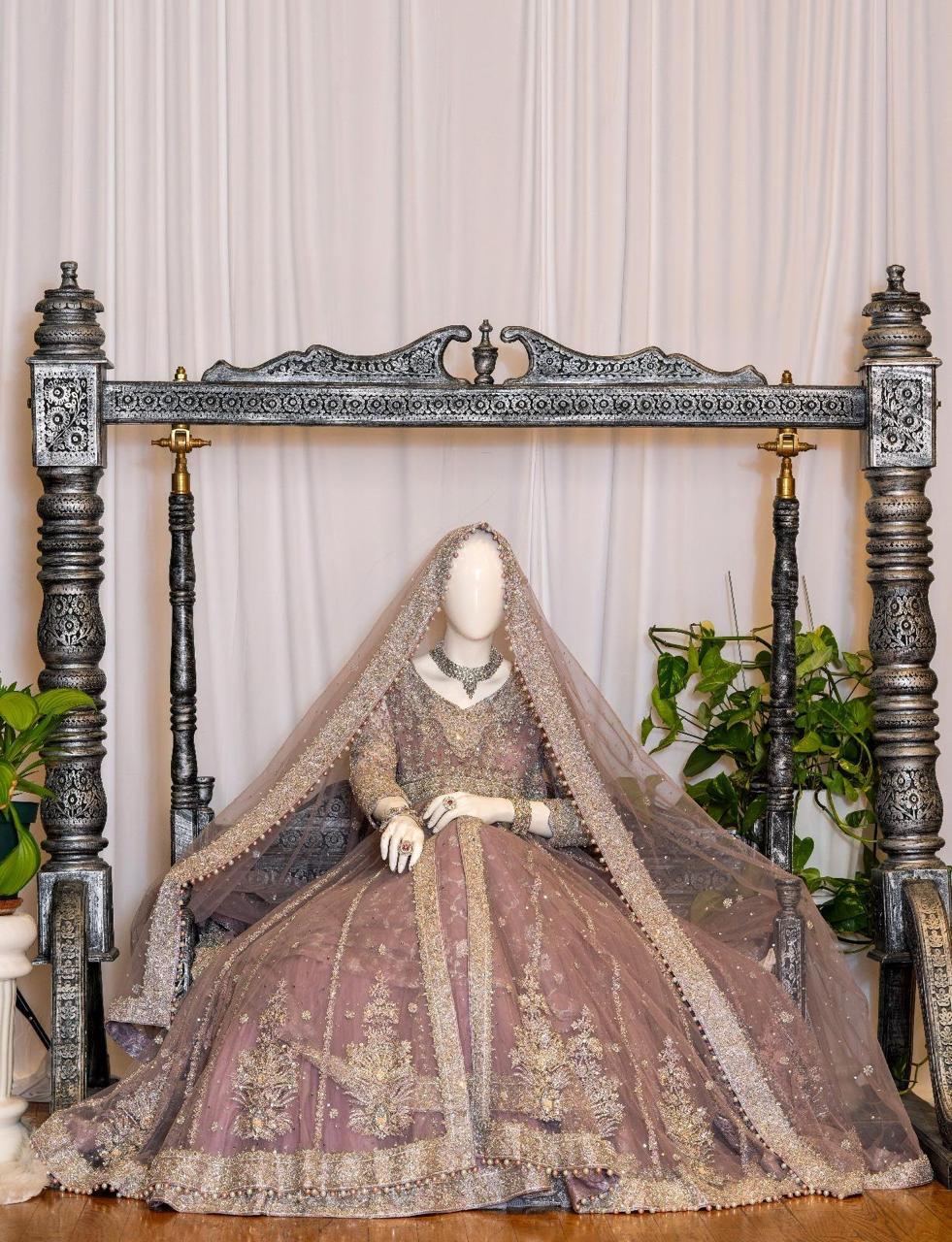
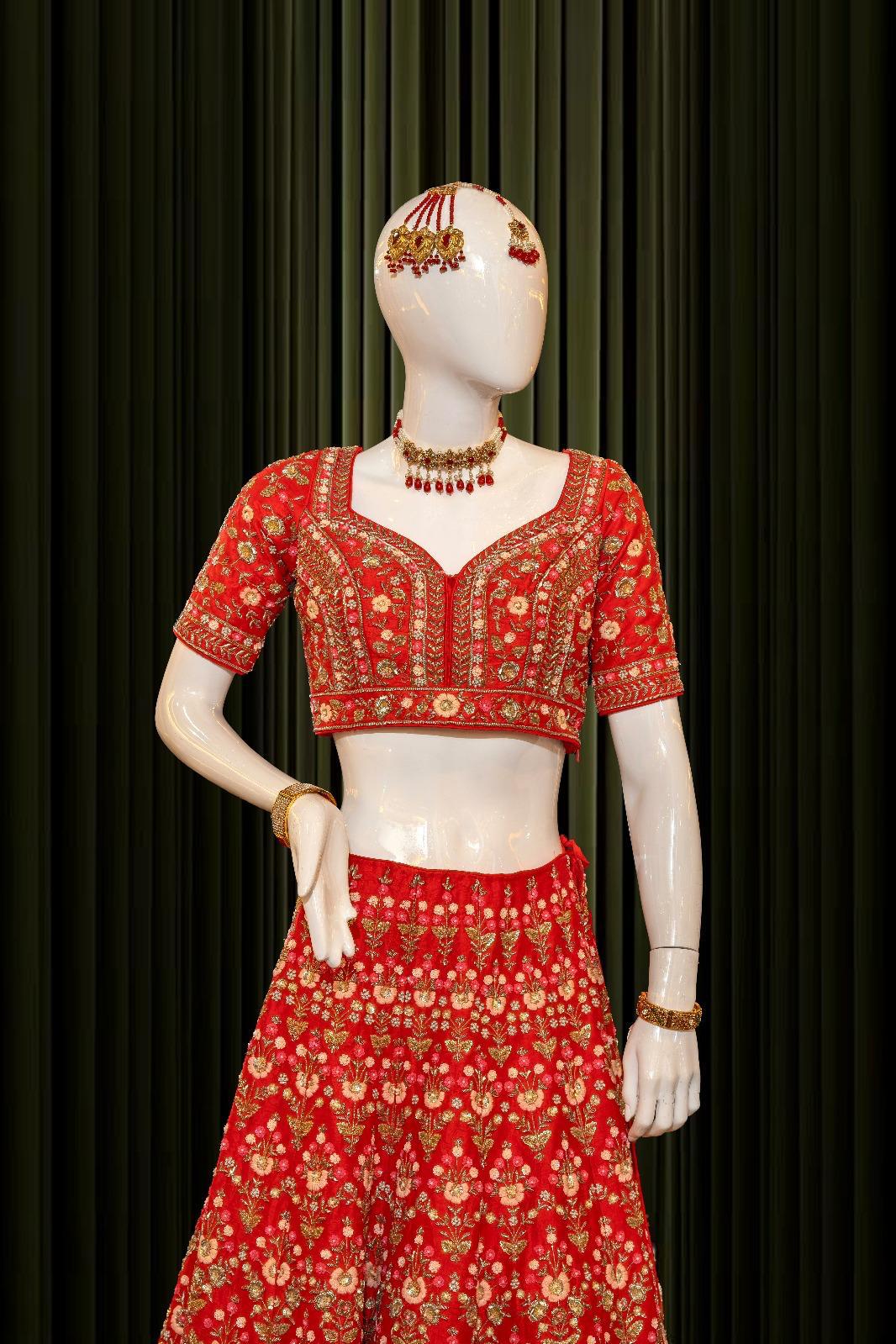
Wedding and party wear are witnessing an obvious shift towards lighter construction. Designers are working to reduce waste by reworking cuts and cutting out unnecessary layers. This trend has increased the demand for lehenga-style dresses in Chicago and other cities, where people want the most elegant look without weight.
Sustainable lehengas typically have removable dupattas that can be reused and modular designs. These features allow clothes to be worn in a variety of ways, which extends their lifespan beyond one occasion.
Key design priorities include:
-
Fabric wastage is reduced through better cutting patterns
-
Multi-use components that permit styling
This mentality is indicative of a move away from a one-time wear fashion.
Anarkali and Flowing Silhouettes
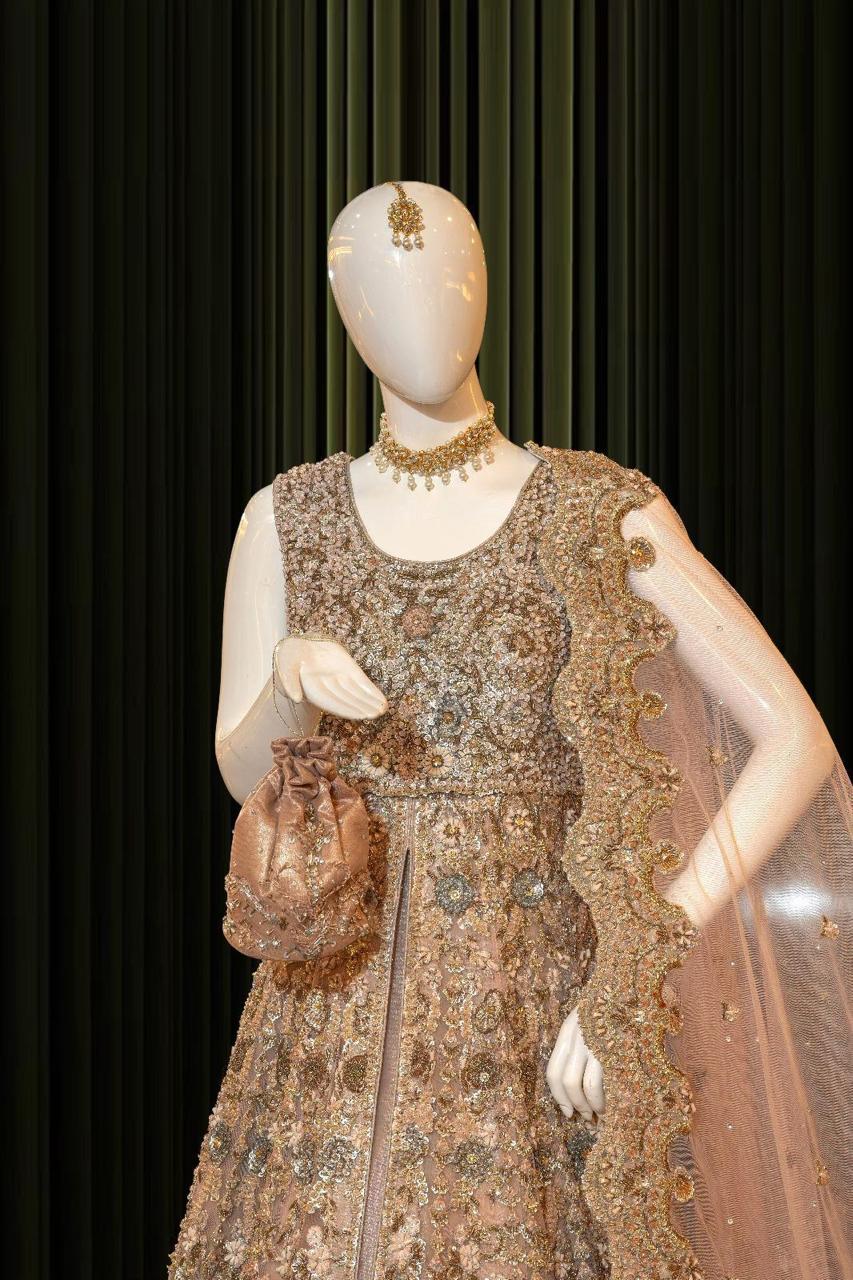
Anarkali clothes naturally fit with sustainability because of their timeless design. Designers are now using lighter fabrics and more simple stitching to create clothes more comfortable to wear. The demand for anarkali dresses in Chicago has increased as shoppers seek out pieces that are elegant and practical.
A flowing silhouette paired with durable fabrics provides comfort and visual elegance. This makes them appropriate for a variety of occasions.
Men's Ethnic Wear and Fabric Responsibility
Men's ethnic clothing is adopting sustainable fabrics. Organic cotton Kurtas, linen jackets and silks that are responsibly sourced are now commonplace rather than specialty choices. Men looking for Pakistani clothes in Chicago tend to prioritize quality of fabric and breathability over extravagant embellishments.
Sustainable menswear is focused on sleek tailoring and flexible styles. They can be worn to a variety of different occasions, thus reducing the requirement for a variety of outfits.
The Role of Local Boutiques in Sustainable Fashion
Local boutiques play a vital role in making sustainable ethnic wear accessible. Customers looking to find an Indian boutique close to me, or even a Pakistani shop near me, are more likely to inquire about the origin of their fabric and care guidelines. This is a reason for boutiques to design collections in a responsible manner.
Boutiques are also able to educate customers by educating customers about the benefits of fabrics and how to maintain it. This helps buyers make informed choices instead of purchasing on impulse.
Key factors driving boutique adoption include:
-
Awareness of the environmental impact of customers by customers
-
Long-lasting garments are in high demand over fashions that are fast-paced
This change increases the trust between buyers and retailers.
Sustainability and Cultural Preservation
Sustainable fabrics not only help the environment, but also our cultural heritage. The handloom, dyeing using natural methods and traditional finishing techniques keep the traditional skills of artisans alive. When people choose to wear these clothes are a way to preserve the craft which would otherwise vanish.
The connection between sustainability and culture provides an ethnic clothing item a greater significance. The clothing becomes a narrative rather than merely a piece of clothing.
Final Thoughts
By 2026, environmentally friendly textiles will change the way ethnic wear is made in practical and durable ways. The change is not about letting go of tradition, but rather safeguarding it by making conscious choices. As buyers are more knowledgeable and designers become more conscious that ethnic fashion is evolving towards quality, purpose and long-term sustainability.
Future trends in ethnic clothing will be akin to clothes that reflect tradition while respecting the place that they are a part of.
YOU MIGHT ALSO LIKE
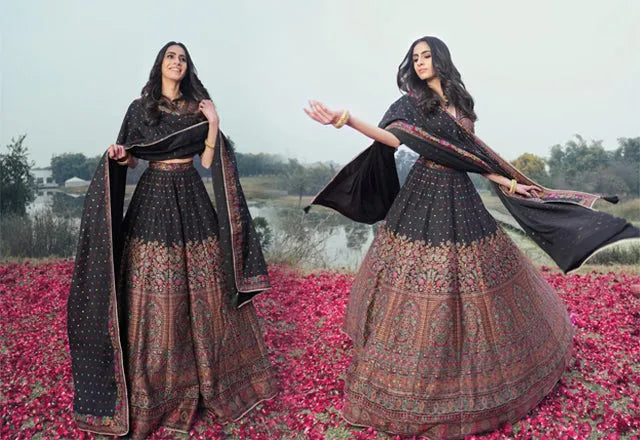
Top 10 Traditional Outfits All Women Should Own
- Feb 13, 2026
- 0
Every woman's wardrobe is enriched by traditional clothes that stand the test of time. These ...
How Sustainable Fabrics Are Changing Ethnic Wear in 2026
- Feb 12, 2026
- 0
The fashion of ethnic wear is evolving slowly, but it is growing steadily in the context of s...
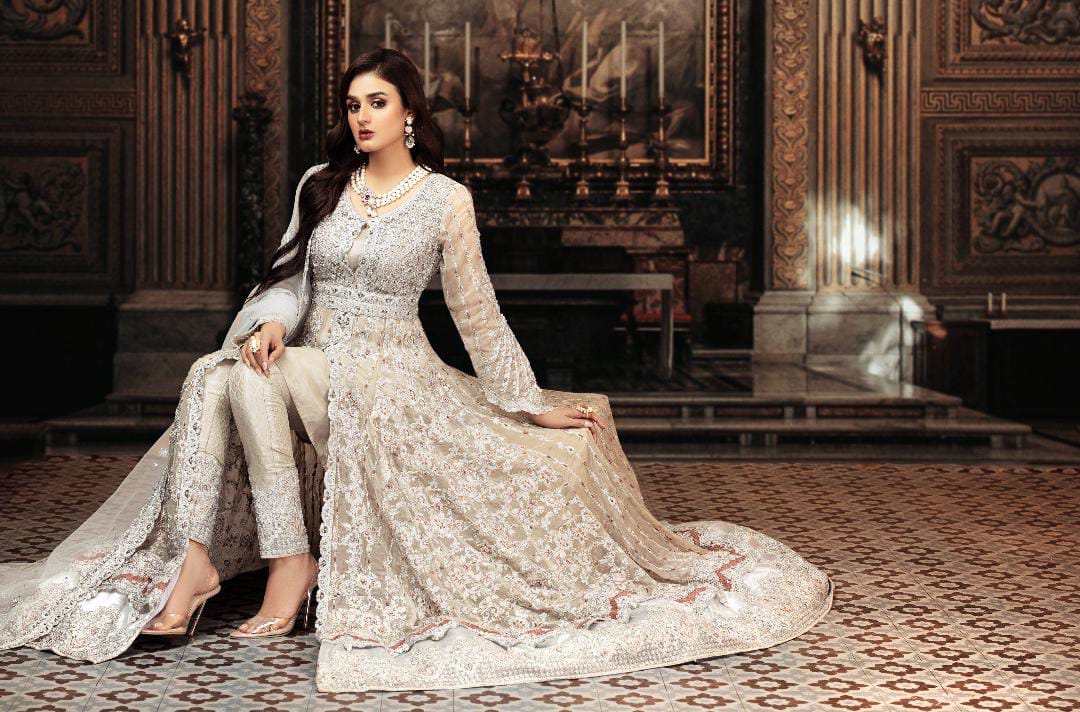
Bollywood Celeb Looks That Inspire Ethnic Fashion Trends
- Feb 10, 2026
- 0
Bollywood has long influenced the way ethnic clothing is viewed and is recognized. From film ...